
Building the Future of Private Equity
Digital Platform for Professional Investors and Wealth Managers

VC Platform for Pre-IPO Investments
Our mission:
Providing access to investments in the largest private technology companies-the leaders in their sectors.
Investment focus:
AI, FinTech, Consumer Tech, B2B SaaS
Geography:
US, India, Emerging Markets
We invest in right companies at the right time
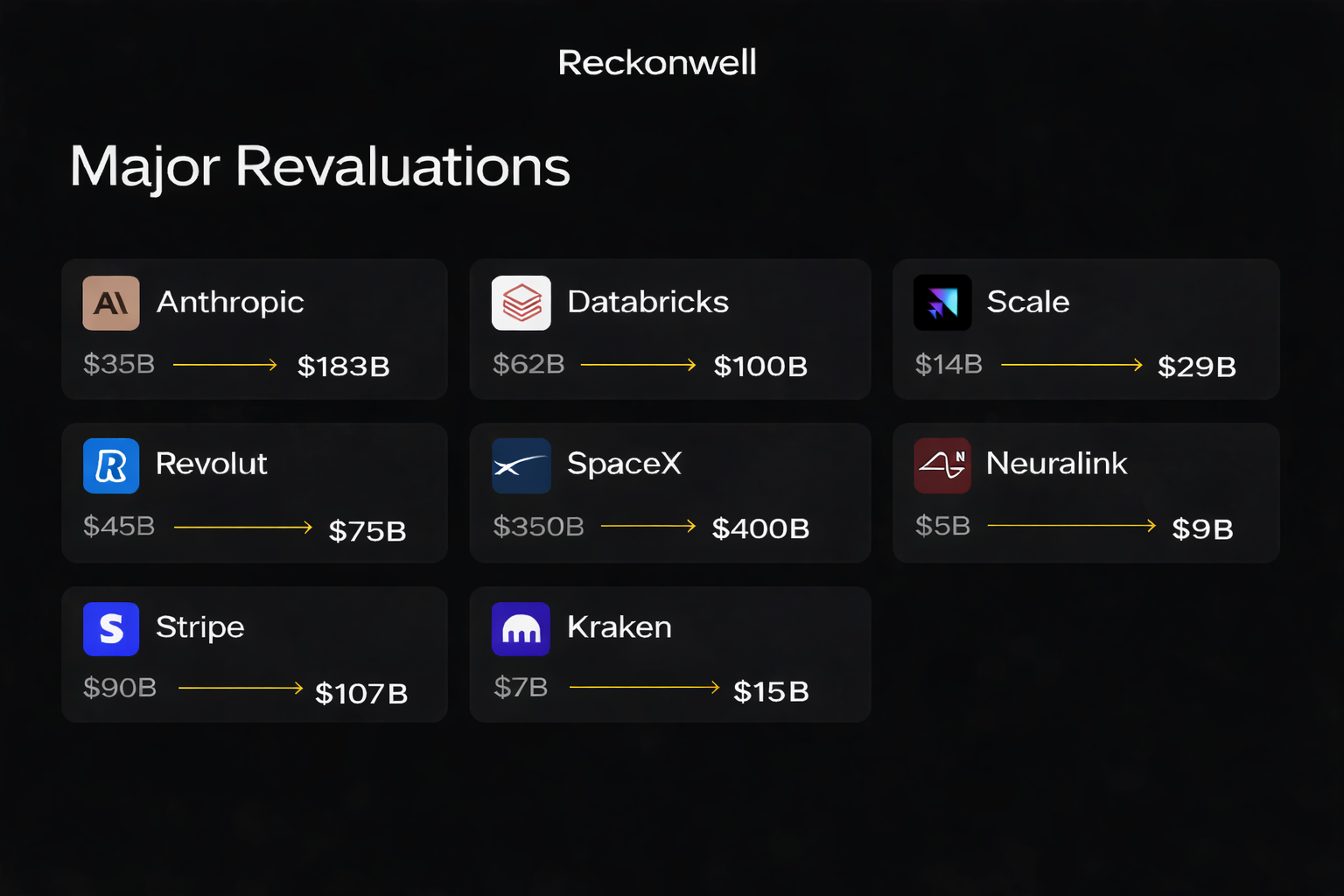
Benefits of Investing with Us
Rigorously Selected Late-Stage Companies
We select late-stage companies with high growth potential and apply a multi-tier screening process to reduce company-specific risks for investors:
IPO horizon of 1-3 years
Sustainable business model and market leadership potential
Transparent ownership structure

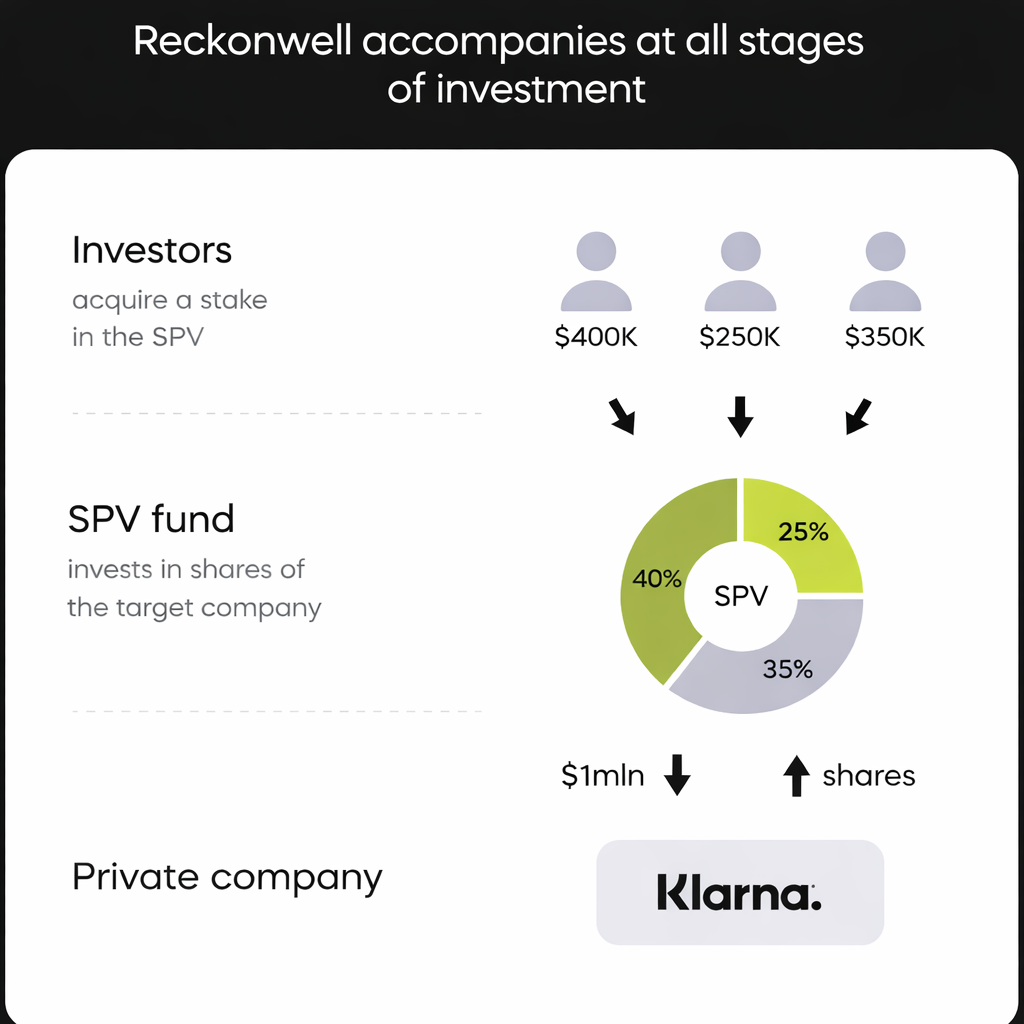
Legal Structure to Protect Investor Interests
Each investment is structured through a separate US SPV (Special Purpose Vehicle), ensuring segregated asset management and structural transparency. This model is designed for international investors and helps avoid double taxation.
All offerings are conducted in compliance with US law and SEC requirements under private placement regulations for accredited investors (Reg D 506b).
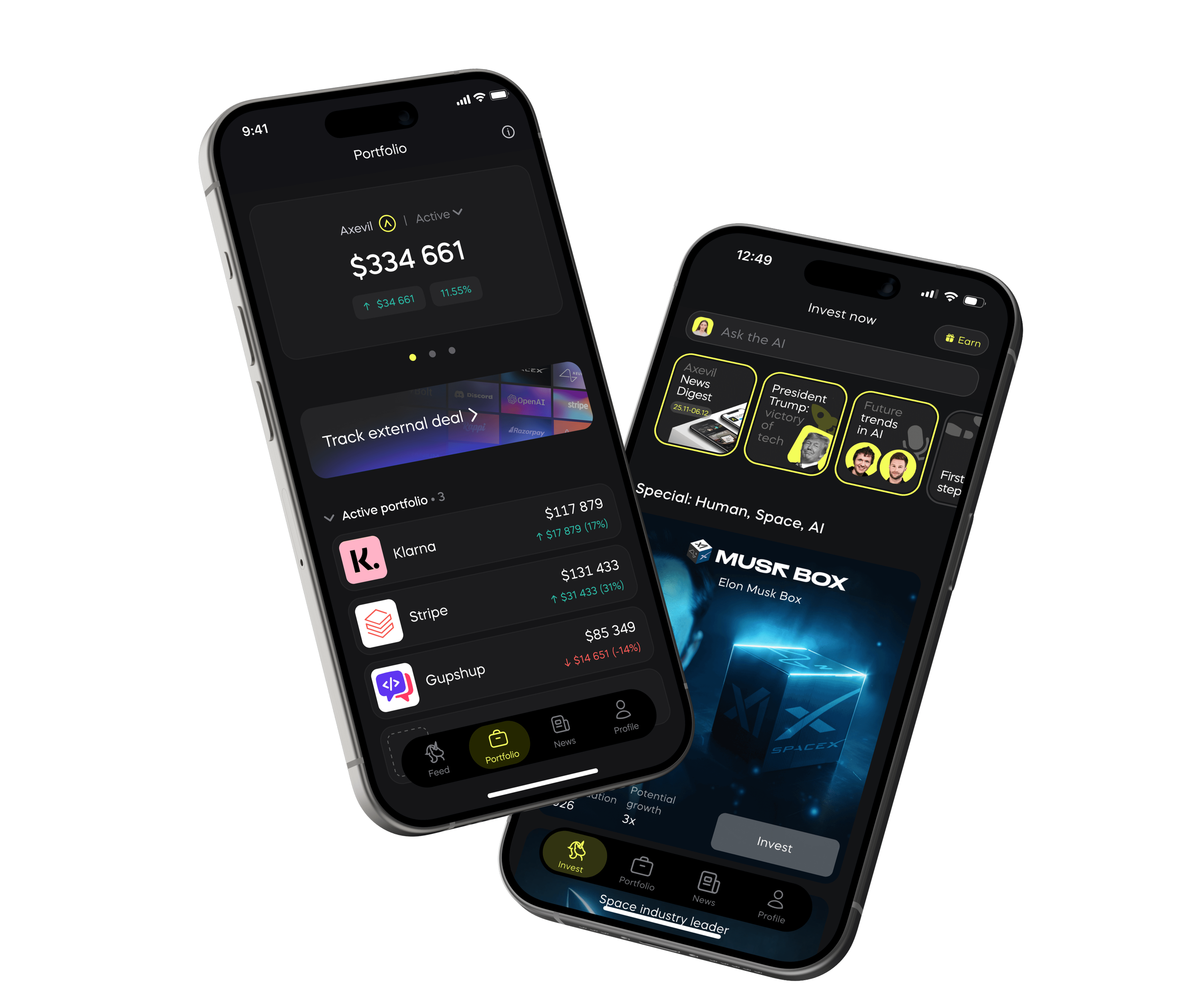
Digital Platform
We've combined venture investing with technology to make the process as simple and convenient as possible:
User-friendly mobile application
Fully digital investment process
Electronic documentation
Venture AI assistant and investment advisor support
Portfolio performance tracking and venture market news
Investment Opportunities




-
We work with accredited investors (U.S. Accredited Investors) as defined by Rule 501(a) of Regulation D. This category includes, in particular:
— Individuals meeting one of the following criteria:→ Income ≥ $200k for the past 2 years with reasonable expectation for the current year; or
→ Net worth > $1 million (excluding primary residence; may be combined with spouse/spousal equivalent).
— Professional qualifications: Holders of Series 7/65/82 licenses and knowledgeable employees of private funds (for investments in the corresponding fund).
— Entities: Banks/insurance/registered investment companies; trusts/funds/companies with assets > $5 million; entities where all owners are accredited; family offices/clients meeting the criteria. -
We focus on late-stage companies in AI, Fintech, Consumer Tech, and B2B SaaS sectors. Selection includes:
— Sources: Proprietary scouting, partnerships with funds and stakeholders, direct company contacts.
— Analytics: Product/market analysis, revenue and growth quality, unit economics, competitive position.
— Legal review: Share rights and restrictions (ROFR/transfer), cap table and corporate approvals.
— Compliance: Sanctions/AML checks of counterparties and asset origins.
The investment committee makes final decisions; we prepare a comprehensive package for each deal (investment memo, risks, SPV documents). -
SPV (Special Purpose Vehicle) is a separate company created for a specific transaction. We use a Series SPV LLC structure in the US:
— Each series (SPV) is legally and accounting-wise separate from others;
— The SPV owns portfolio company shares; investors own SPV interests proportional to their contribution;
— Cash flows and reporting are maintained separately for each SPV;
— Distribution of proceeds follows rules specified in SPV documents.
-
App invitation: Access via invite-only link.
Registration in personal account and agreement to access terms.
Questionnaire, KYC/AML onboarding and accredited status verification.
Access to deal materials (investment memo, risk assessment, SPV documents).
Electronic signature (Subscription + Operating Agreement SPV).
Deal payment via wire transfer according to Capital Call.
Deal structuring and closing — typically up to ~45 days depending on type (primary/secondary), corporate approvals, and settlements.
SEC notification: Form D filing.
Participation confirmation: Capital Account Statement in personal account.
Deal updates and corporate events (IPO/secondary/M&A, corporate actions, etc.).
-
— Deal Overview/Investment Memo — brief company description and terms
— Private Placement Memorandum — key risks and disclosures
— Operating Agreement — rights/obligations, distribution procedures
— Subscription Agreement — application/status confirmations
— Capital Call — payment instructions— Capital Account Statement — SPV interest confirmation
— Schedule K-1 (Form 1065) — tax form -
Main scenarios:
— IPO (considering possible lock-up);
— Secondary sale of SPV shares when window available and corporate approvals obtained;
— M&A/buyout (cash-out) or other corporate actions.
Distribution of cash or other proceeds to investors occurs according to SPV documents and proportionally to their interests. Timing and format depend on corporate procedures and specific deal settlements. -
— Primary — participation in late-stage rounds.
— Secondary — purchasing existing shares from current holders with necessary company approvals.
Instruments — typically common/preferred shares or equivalent equity instruments; exact terms disclosed in deal materials. -
Funds flow to the corresponding SPV account and are not commingled between deals. Separate accounting is maintained for each SPV with documents available in personal accounts:
— Capital Account Statement (capital account movement/participation confirmation);
— Deal and corporate event updates;
— Tax forms (Schedule K-1 (Form 1065)). -
— Illiquidity: Private company shares don't trade freely on exchanges; sales mainly possible upon corporate events (IPO, secondary, M&A).
— Long horizon: Several years may pass from entry to exit; possible lock-up restrictions after IPO.
— Market risks: Company valuation may decline in subsequent rounds or after going public; past performance doesn't guarantee future results.
— Corporate restrictions: Deals subject to corporate procedures: board approvals, transfer/ROFR restrictions, shareholder agreement terms.
— Regulatory and legal risks: Possible changes in securities regulation, taxation, or sanctions may affect deal terms or investment availability.
— Operational and industry risks: Dependence on management, business model, competition, and technology trends.
All risks are disclosed in the Private Placement Memorandum (PPM) and other SPV documents. Investors should carefully review these materials and consider the possibility of total loss of invested capital. -
— Structurally: Each deal is structured as a separate Series SPV LLC. Assets, liabilities, and cash flows are segregated by series.
— Rights and documents: Rights and obligations are established in the Operating Agreement and Subscription Agreement of the corresponding SPV: economic rights to distributions, information rights (notifications, reporting), etc.
— Accounting and confirmation: After deal closing, investors receive a Capital Account Statement - confirmation of interest and capital account movements. At tax year end - relevant tax forms Schedule K-1 (Form 1065).
— Fund custody and settlements: Payments flow to the corresponding SPV bank account; accounting and distributions are maintained separately for each SPV according to the waterfall established in SPV documents.
— Oversight and procedures: Before deal closing, corporate approvals are obtained (transfer/ROFR for secondary, board approval for primary), legal and sanctions checks of counterparties (KYC/AML).